A
Daily Greek
Short activities built around useful language: family, food, home, travel, numbers, colours and common expressions.
We want children to use Greek with confidence — with parents and grandparents, in Greece, through books, and in ordinary conversation.
Children growing up abroad often have uneven Greek: they may understand more than they speak, know family words but not read confidently, or speak naturally while lacking formal vocabulary.
Our teaching begins with the child’s actual Greek, not simply their age. We then build speaking, listening, reading and writing around meaningful topics and real family use.
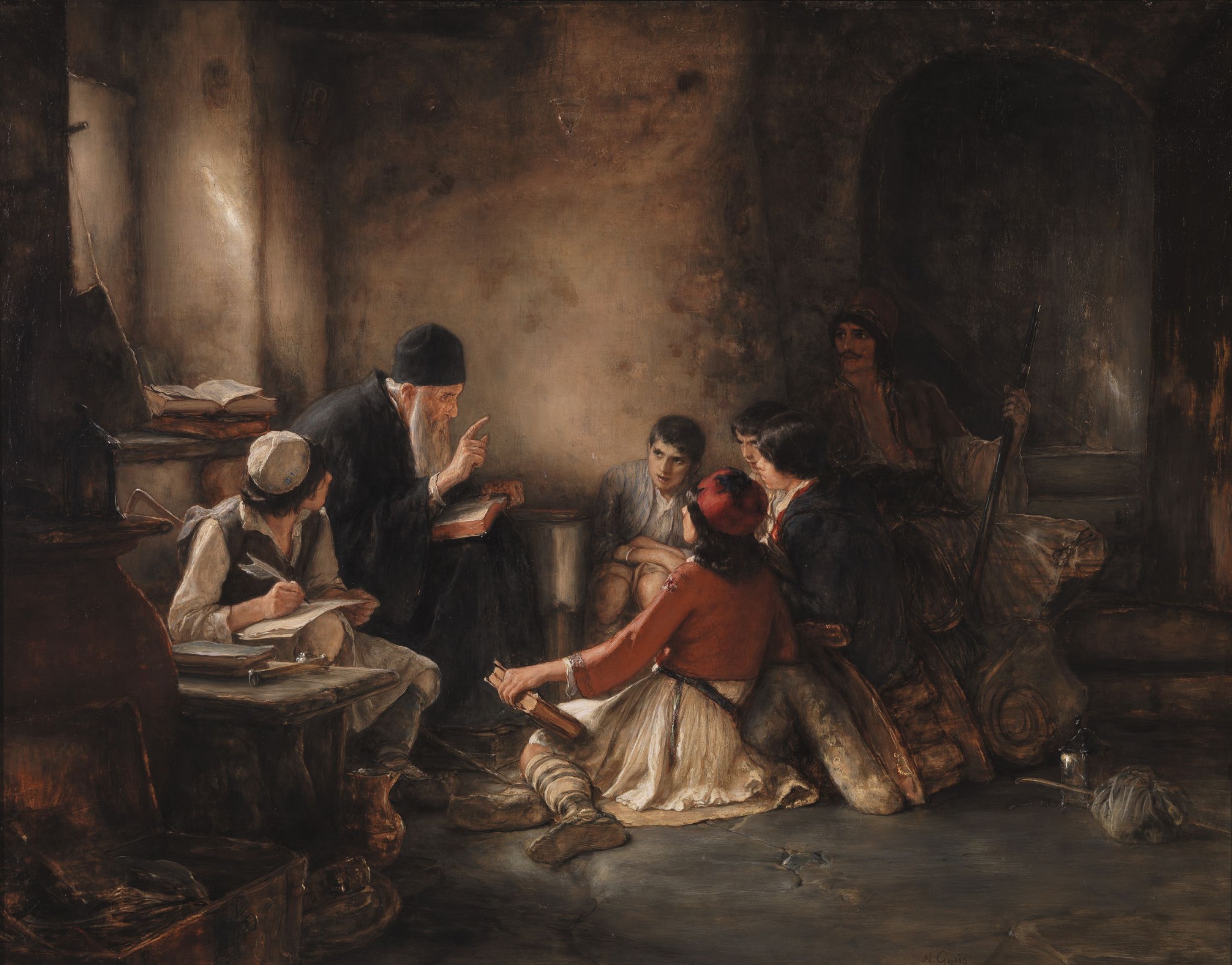
Short activities built around useful language: family, food, home, travel, numbers, colours and common expressions.
Carefully bounded AI-assisted exercises can give children additional speaking, listening and vocabulary practice without replacing the teacher.
Real Greek children’s books help vocabulary, pronunciation and cultural knowledge grow together rather than in separate compartments.
Build listening comprehension and the vocabulary the child needs in family life.
Move from one-word answers to phrases, sentences, retelling and spontaneous conversation.
Develop familiarity with the Greek alphabet, sound patterns, shared reading and age-appropriate books.
Introduce spelling, sentence formation and written expression without allowing worksheets to dominate the lesson.